Amid the rat race between America and China in high-tech manufacturing and technology in the broader sense, the southern city of Shenzhen has often been likened with Silicon Valley. And it is certainly true… Shenzhen has come along way as China’s innovation hub and probably features most prominently across the land currently. The city has also been designated as the key tech hub centred in the fast-growing megalopolis around the Greater Bay Area.
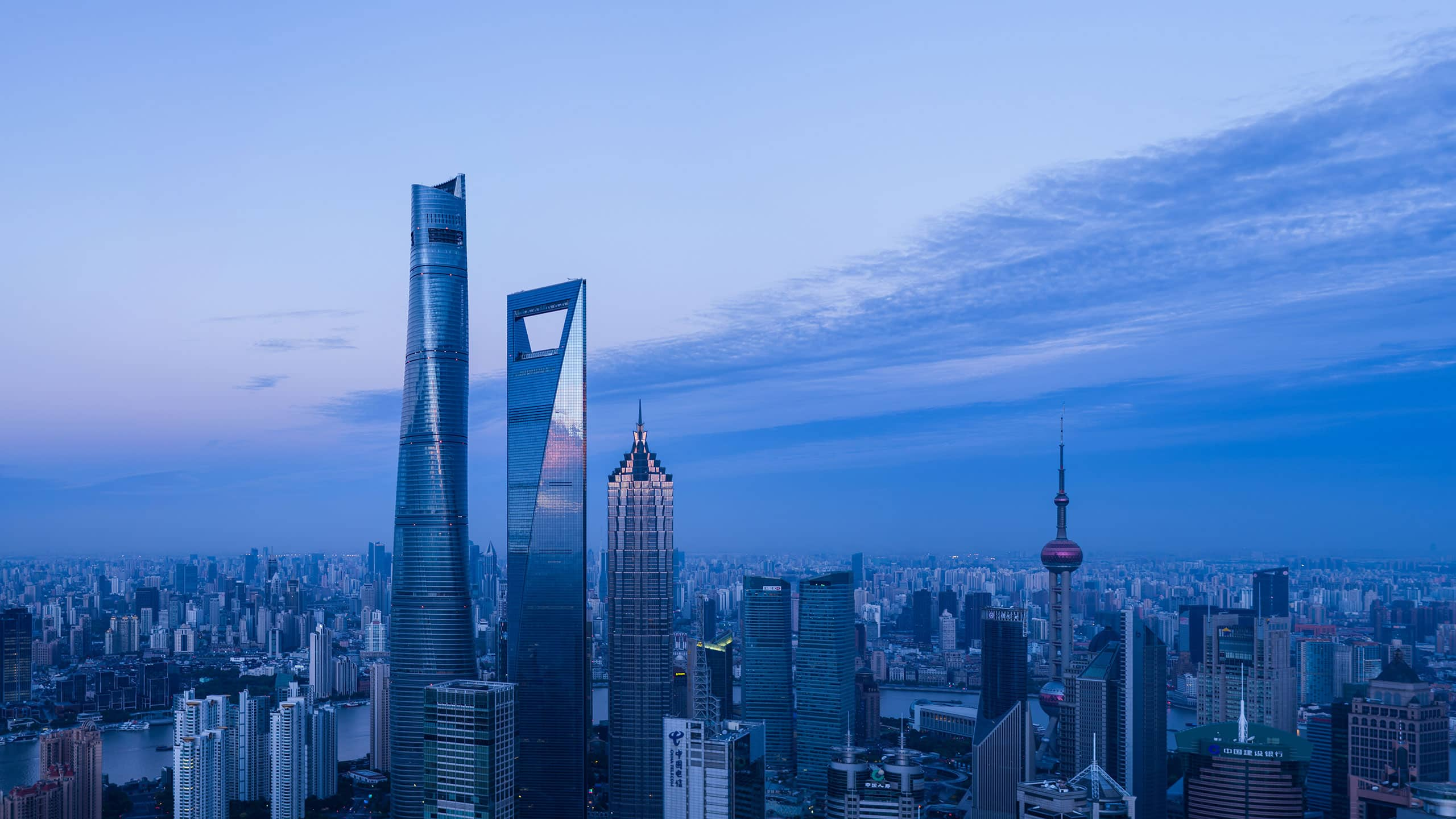
However, it wouldn’t be China if the Beijing leadership were to lay all its eggs into one basket. Wasn’t it Mao Zedong in 1956 who branded the slogan of Let a Hundred Flowers Blossom? In this wake, the municipal government of Shanghai launched its very own initiative to become a Silicon Valley of sorts, or another Shenzhen for that matter. It is designed to accelerate the development of the city’s tech industry and attract massive investment into digital economy giants.
No one calls this Made in China 2025 any longer, and for a good reason, but it certainly resembles exactly such effort. On top of it, Shanghai’s Plan of Action for Promoting Online New Economies Development, as the initiative is being called, might be even more ambitious than the incumbent plan that was quickly zoomed in on by Washington hawks and probably formed the basis for the existing trade conflict and a looming full-blown economic war in the future.
By 2022, Shanghai wants to have created hundreds of innovative enterprises, industrial and other commercial applications, brand products, and breakthrough and key technologies. The program is reportedly designed to focus on 12 development priorities, featuring most prominently the concepts of unmanned factories, IIoT as in interconnected industrial internet of things, and as everyone could have guessed in the current environment, online medical treatment.
The industrial upgrade is to apply flexible, cloud and sharing manufacturing technologies and will be based on fully automated and robotised production lines and warehouses. Part of it is also the establishment of 20 online platforms for the purpose of sourcing input such as resources and selling final products. Furthermore, Shanghai has passed a new set of regulations for its financial sector to protect the rights and interests of all stakeholders in the initiative.
This is clearly only one example of China’s resolve to come back with a vengeance from the coronavirus shock, with probably many more of those to follow and possibly even more determination to achieve its objectives that had been hitting the nerve of America’s hawkish sentiment so hard. Absent the ill-conceived propaganda that was rubbing Made in China 2025 ambitions into America’s face Beijing is now much more covertly firing from all cylinders.
Be it the rapid development of the Greater Bay Area megalopolis into the most dynamic economic region on earth, be it the crash effort to build China’s own semiconductor fabrication capacity in the wake of American aggression against its bellwethers like Huawei, be it the 5G-backed national overhaul of phone line-based text messaging into all kinds of e-commerce and multimedia applications integrating and servicing 800 million users, be it the continuous and relentless build-out of the Belt and Road project…
Those are but a few examples. Beijing undoubtedly has a grand strategic plan and evidently the execution capability to make it a reality. China is already spearheading numerous areas of high-tech manufacturing, artificial intelligence and other key technologies, and the country is rapidly catching up in those areas where others are still leading, such as semiconductor and chip manufacturing. As the country is coming out of that corona starting hole, it could well be a case of we ain’t seen nothing yet.